Electrical Safety Inspections in Flint, MI: What Homeowners Need to Know
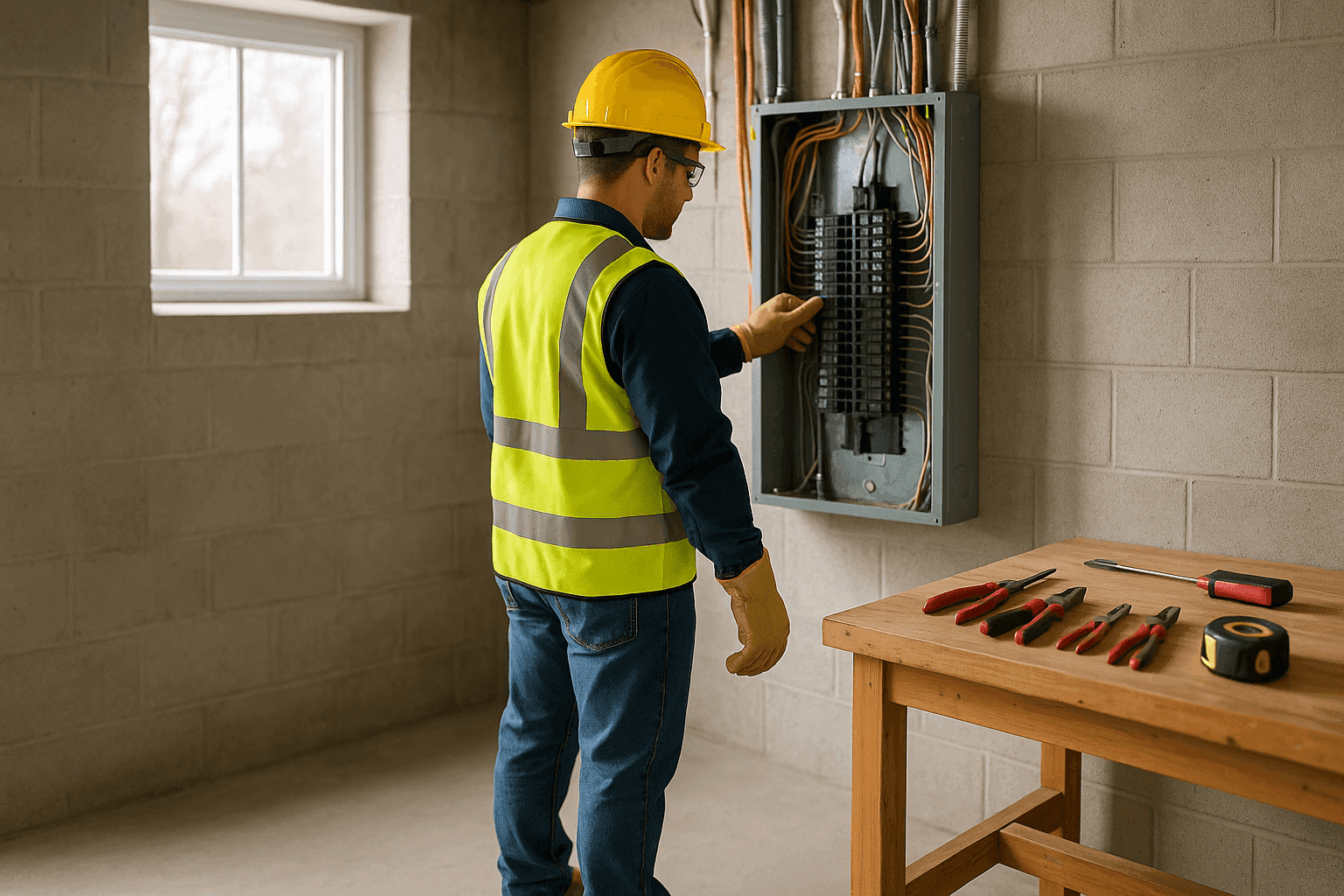
Electricity powers everything from your morning coffee to those late-night movie marathons. But behind every switch and outlet, there’s a hidden world—one that needs attention to keep your family safe. In Flint, MI, having a licensed electrician perform electrical safety inspections isn’t just smart. It’s essential, especially in older homes where outdated wiring quietly hides behind the walls.
At Hinterman Electric, we’ve seen how a simple inspection can prevent disaster. Let’s break down why safety checks matter, what you can expect, and what makes a Flint home unique when it comes to electrical safety.
Why Inspections Matter ⚡
Imagine your home’s electrical system as the circulatory system of your house. If there’s a blockage or weak spot, danger can build up—sometimes for years. Faulty wiring, overloaded circuits, or loose connections can cause fires or electric shocks. According to the National Fire Protection Association, electrical failures or malfunctions are a leading cause of home fires in the U.S.
Older homes in Flint often have wiring that doesn’t match modern demands. Add new appliances, more gadgets, or even an EV charger, and the risk goes up. Regular electrical safety inspections by a qualified electrician protect your investment and, more importantly, your loved ones. They also help meet insurance requirements and keep you in line with Flint’s building codes.
Flint-Specific Code Requirements
Flint has its own electrical code requirements, shaped by Michigan’s statewide standards and local amendments. These codes dictate everything from how wiring is installed to what kind of outlets are required in kitchens and bathrooms. For older homes—many built before current codes—upgrades or repairs may be necessary.
Homeowners selling or remodeling in Flint often need a certificate of compliance. That means passing an electrical safety check performed by a licensed electrician. Inspections are also required for rental properties and after major renovations.
Key Flint code requirements include:
- Ground-fault circuit interrupters (GFCIs) in bathrooms, kitchens, garages, and outdoor outlets.
- Smoke and carbon monoxide detectors outside bedrooms and on every floor.
- Properly labeled electrical panels and accessible shutoffs.
- Approved wiring methods for wet or humid areas, like basements or around pools and spas.
Staying up-to-date isn’t just about passing inspection—it’s about preventing costly and dangerous surprises.
What Inspectors Look For
During an electrical safety inspection, your electrician isn’t just glancing at the fuse box. It’s more like detective work, searching for clues that something’s not right.
Here’s what an inspection often includes:
- Checking the main service panel for loose connections, corrosion, and correct labeling.
- Testing outlets and switches for tight contacts and secure wiring.
- Looking for visible signs of wear, overheating, or arcing (which can cause fires).
- Making sure GFCI and AFCI protection is in place where required.
- Inspecting wiring in attics, basements, and crawl spaces for damage or outdated materials like knob-and-tube or aluminum wiring.
- Verifying that smoke and carbon monoxide detectors are installed, working, and in the right spots.
- Confirming appliances have dedicated circuits if needed.
- Assessing outdoor wiring for pools, spas, or EV chargers.
A written report details what’s safe, what’s not, and what steps you should take next.
How to Prepare for an Inspection
Think of inspection day as a checkup for your house. Here’s how to make it go smoothly:
- Clear access to your electrical panel, outlets, and switches. Move furniture or stored items if necessary.
- Test smoke and carbon monoxide detectors ahead of time.
- List recent electrical issues or upgrades—flickering lights, tripping breakers, new appliances.
- Secure pets in another room.
- Gather paperwork for recent electrical work, permits, or previous inspection reports.
Being prepared helps your electrician work efficiently and ensures nothing gets missed.
Common Issues in Local Homes 🏠
Flint’s housing stock is full of character—and sometimes, electrical quirks. Here are problems we often see:
- Outdated wiring: Knob-and-tube or aluminum wiring, both common in older homes, are now considered safety risks.
- Undersized service panels: Panels installed decades ago can’t handle today’s appliances and electronics.
- Missing GFCIs: Kitchens, baths, garages, and outdoor spaces often lack this critical shock protection.
- Double-tapped breakers: Two wires connected to a single breaker—a shortcut that can cause overheating.
- Improperly grounded outlets: Increases risk of shock, especially with modern devices.
- DIY repairs: Well-intentioned but unsafe fixes, like twisted wires covered in tape instead of proper connectors.
- Missing or non-functional detectors: Smoke and CO alarms that are outdated or disconnected.
Spot these issues early, and you can prevent a much bigger problem down the road.
What Happens After the Inspection
Your electrician will provide a written report—a map of your home’s electrical health. This report details:
- What’s safe and up to code.
- What needs repair, upgrade, or replacement.
- Any code violations that must be corrected for certificates or insurance.
If violations are found, you’ll get a list of recommended next steps. Some fixes are simple, like upgrading outlets. Others, such as panel replacements or rewiring, may require permits and follow-up inspections. A reputable electrician will explain what’s urgent versus what can wait, helping you prioritize repairs based on safety and budget.
Tips for Passing Your Next Inspection
- Schedule regular safety checks, especially if your home is more than 30 years old.
- Don’t ignore flickering lights or tripping breakers—they’re your system’s way of asking for help.
- Keep electrical panels and detectors visible and accessible.
- Hire only licensed electricians for repairs and upgrades. Michigan law requires it for most electrical work.
- Address violations quickly. Delaying can void insurance or slow down a home sale.
Electrical Safety Inspections: Frequently Asked Questions
How often should I have a safety inspection?
Homes over 25 years old, or those with recent renovations or added appliances, should be inspected every 3–5 years. Rental properties may require more frequent checks.
Is a “passing” inspection required to sell my home?
In Flint, a certificate of compliance may be needed before a sale or after major work. Your inspection report helps you get there.
What if the inspector finds a violation?
Most violations can be fixed by a licensed electrician. After repairs, a re-inspection verifies the work was done right.
Can I do my own electrical inspection?
Some issues, like testing outlets or changing batteries in detectors, are DIY-friendly. But most inspections require the eye—and license—of a professional.
Local and Seasonal Considerations 🌧️
Flint’s weather brings its own electrical challenges. Heavy snow and rain can lead to basement leaks, which spell trouble for wiring and panels. Summer storms mean surges and outages, putting strain on old systems—or risking damage if you don’t have surge protection or a backup generator.
If you have a pool, spa, or plan to install an EV charger, special inspections and code requirements apply. A licensed electrician familiar with Flint’s climate and housing stock is your best ally.
Related Services
Looking for more ways to protect your home? Learn about our Electrical Safety Checks and how we help homeowners earn Certificates of Compliance.
Peace of mind starts with a thorough safety inspection. Don’t wait for sparks or smoke to tell you it’s time. Call Hinterman Electric now — or reach us anytime at (888) 988-1047 .